
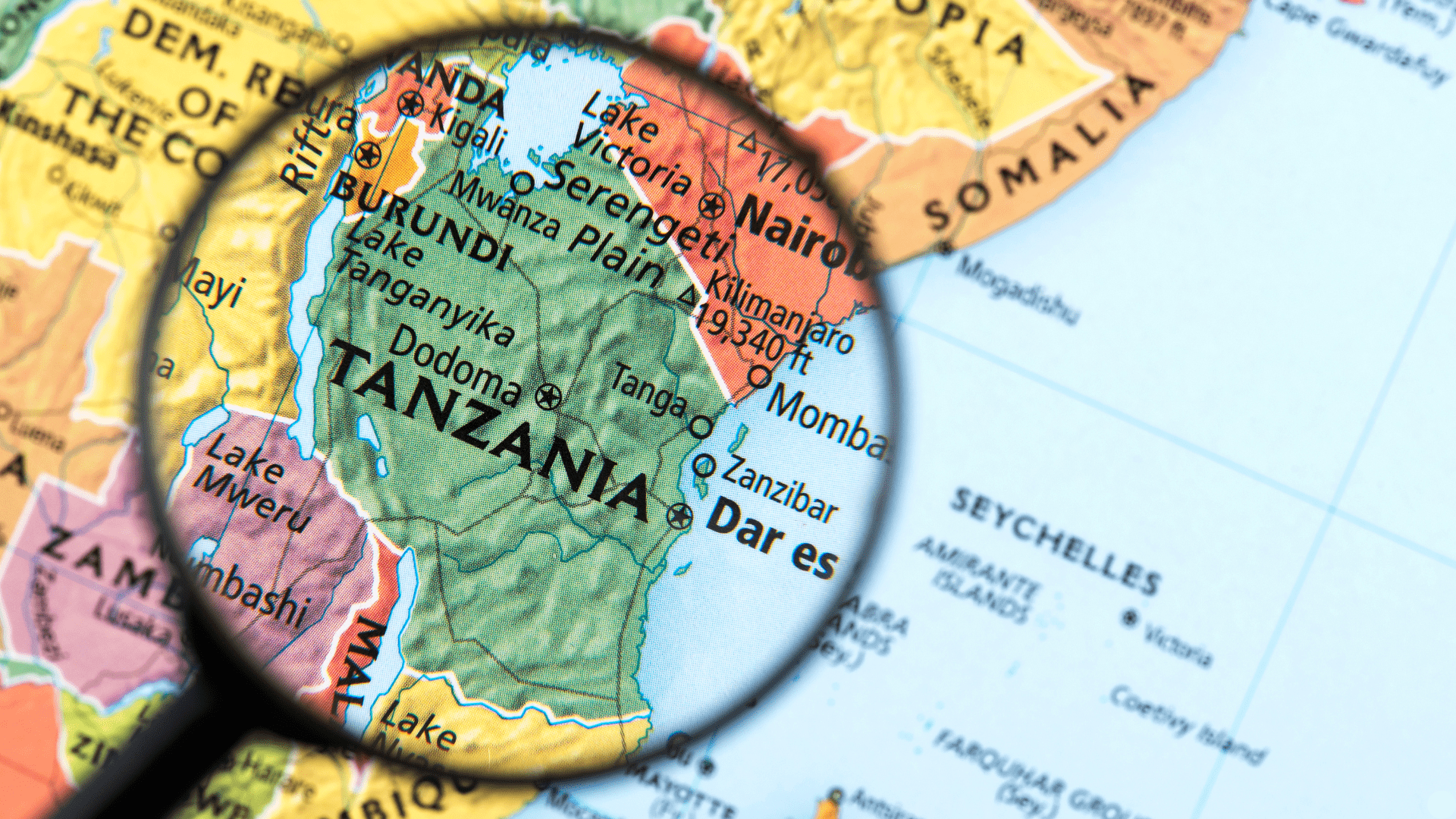
Tanzania unrest and travel warnings — what travellers need to know (November 2025)
What has changed: Some governments have increased their travel advisories to Tanzania due to widespread unrest and violent demonstrations that erupted in the country after the country had a controversial general election that was concluded on 29 October 2025.
The UK Foreign Office has now issued an advisory warning against unnecessary travel to certain regions of the country; the U.S. State Department has increased its advisory to Level 3 (Reconsider Travel); Canada, South Korea, and other governments have issued similar warnings.
These warnings refer to violent protests, curfews, transportation disruptions, and communications blackouts that are disrupting movement and security in the major cities.
Short history and the known facts:
The violence started on the following day, 29 October, after the general election, when two key opposition leaders were disqualified, and massive demonstrations took place in Dar es Salaem, Mwanza, Arusha, and other cities. Curfews and heavy deployment were the responses of security forces.
Several reports indicate casualties and arrests. The opposition groups have given reports of death in the hundreds, whereas international organisations and news agencies give confirmed deaths (the number of dead varies and is disputed). The use of force has been the subject of investigations demanded by human rights groups.
The government has declared curfews and even sent the military in certain locations, and extensive reports of disrupted internet and mobile service have been reported everywhere.
Some flights and ferry services, along with major transport routes, are canceled or suspended, leaving people, including foreign nationals, temporarily stranded in some locations.
If you’re following ongoing travel developments, you might also like our post on how to find the best flight deals with Skyscanner.
What the travel warnings state (important points):
UK (FCDO): Weakly advises against all but essential travel to the Tanzanian parts; traveling with governmental disapproval is considered to invalidate travel insurance.
United States (State Department): Issued a Level 3 alert against travel to Tanzania, and the new risk factor, “unrest,” was placed on the list; U.S. embassy advisories warned of roadblocks and shelter-in-place orders.
Canada: Encourages against non-essential travel and requests Canadians in Tanzania to enroll with the consular services.
South Korea (and others): Dispatched special advisories asking nationals to cancel or delay non-essential travel and be extra careful in case they were already in-country.
Current tips on what to do when traveling to Tanzania:
In case you are not in Tanzania and have some travel plans:
Reschedule or cancel unnecessary travel when the travel warnings are still in progress. Your travel insurance may also be influenced by government advice; look at your policy terms at once.
If you are in Tanzania:
Do not protest; do not use checkpoints and big crowds. These have a way of becoming violent at any time.
Take the advice of the local authorities and your embassy/consulate. Embassies have put out alerts on security, saying shelter in place and report roadblocks around airports.
Register or renew your information with the embassy or consular registration office of your country (e.g., register with the Embassy/Registration of Canadians Abroad or the U.S. Smart Traveler Enrollment Program). The most recent safety advice and consular assistance may be available at your embassy.
Keep in place transport and accommodation contingency plans. Anticipate cancellations of airlines or ferries, restricted means of travel within the country, and a shortage of fuel or cash in a few regions.
In case of communications disruption, go to: other network (when you have it), landline or a face-to-face meeting with your accommodation manager or local international organisations. Store physical copies of significant papers and a little amount of money.
Travelers attempting to depart Tanzania:
You should contact your travel provider or airline as soon as possible to get the status of your flight and be able to rebook. There have been cancellations and schedule changes in many carriers due to disruptions.
Check official embassy outlets and government travel websites on safe exit routes and stay up-to-date. Certain overseas missions issue frequent security notices and evacuation instructions whenever deemed appropriate.
Compare flights and rebook easily:
Use Skyscanner to find alternative flights and hotel deals.
Considerations of safety and insurance:
Insurance: Travel insurance can be voided on traveling to or staying in a destination on official government travel advice. For exclusions on the heck policy, consult your insurer.
Health and essential needs: There is a risk of a shortage of food, fuel, and cash in urban areas due to curfews and transport slowdown. Arrange beforehand and supply emergency provisions where possible.
Where to get trusted updates:
Official foreign travel advice websites (e.g., GOV.UK, U.S. Department of State, Government of Canada) and your national embassy in Tanzania.
Credible international news sources (Reuters, AP, BBC, Guardian, and Al Jazeera) and proclamations of known human-rights organisations to report on their own.
Bottom line:
The Tanzanian security situation is unstable, and the security situation has a great effect on movement, communications, and public safety. In case you are in a foreign country, do not travel at the moment.
In case you are in Tanzania, take personal safety as a priority: do not take part in demonstrations, use embassy advice, and enjoy restricted transport and contact. Follow the most recent guidance and advice on travel and your travel insurance to the present day.
Sources:
Official travel advice and government updates: GOV.UK; U.S. Department of State; Government of Canada; South Korea Ministry of Foreign Affairs. Reporting and analysis: Reuters, AP, The Guardian; human rights monitoring: Amnesty International.