
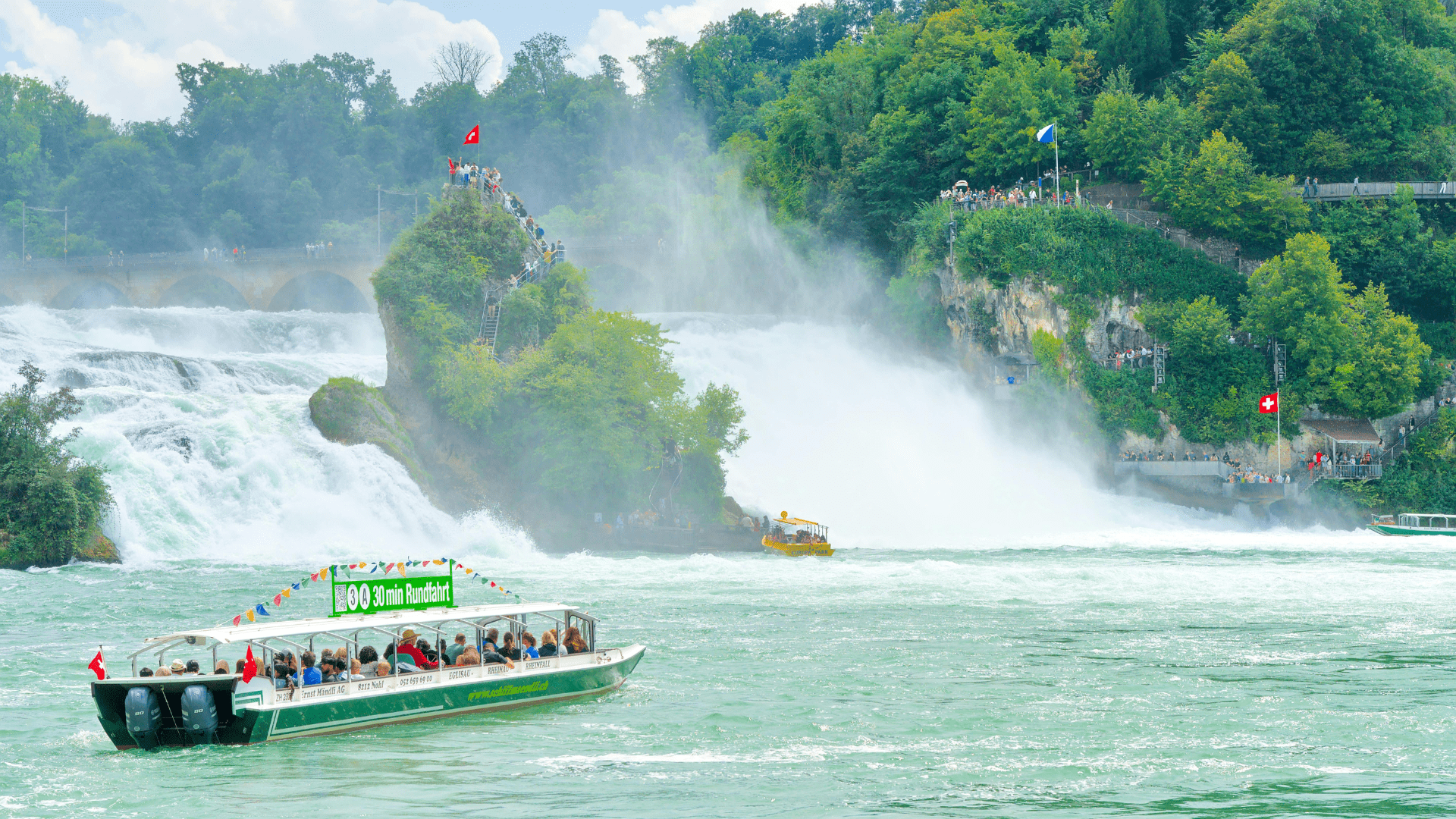
Switzerland is one of the most beautiful countries in Europe, known for its breathtaking alpine views, historic towns, and iconic cities.
Nestled between Germany, Austria, France, and Italy, it’s also one of Europe’s most advanced and high-quality living destinations.
“Switzerland greets you with a rich cultural blend, where languages like German, French, Italian, and Romansh are part of daily life. Although it’s in the Schengen Zone, the country uses its own currency — the Swiss Franc (CHF), with 1 USD roughly equal to 0.80 CHF. Its capital, Bern, is known for its old-town beauty and the beloved Bear Park “
The country is world-famous for its chocolate, with Lindt and Toblerone being two of the most well-known brands.
If you’re a cheese lover, don’t miss Emmental and Gruyère, two of Switzerland’s most famous varieties!
Switzerland has one of the best public transport systems—clean, reliable, and super easy to navigate.
Since the country isn’t too big, the best way to travel between cities is by train or bus, both of which offer scenic and stress-free rides.
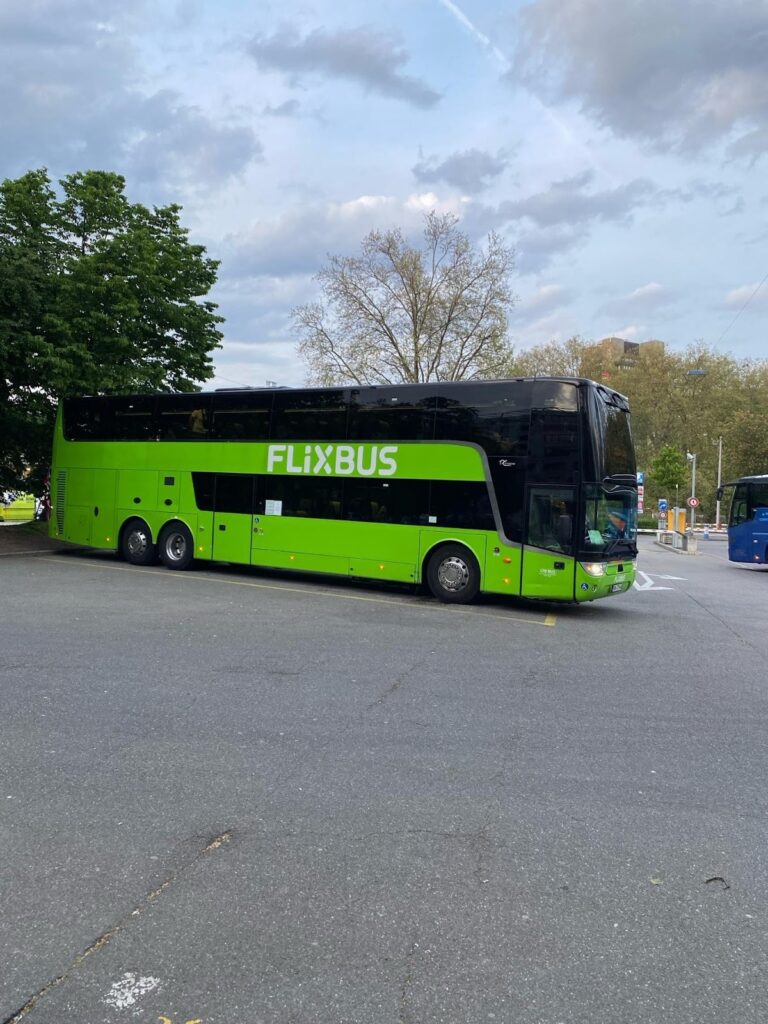
Buses in Switzerland connect even the quietest towns
Getting to Switzerland is also simple, with affordable flights from all over Europe. No matter where you go, you’ll find plenty of trains and buses connecting big cities and even smaller towns, making travel effortless!
Switzerland also has some beautiful villages worth visiting.
Zermatt is famous for the Matterhorn, one of the most iconic mountains in the world. Grindelwald is a charming village and a gateway to the breathtaking Jungfrau region, perfect for hiking, skiing, outdoor adventures.
Switzerland’s peak tourist season runs from May to September, but in the mountains, it usually starts a bit later, around June.
July and August are the busiest months, offering warm weather, clear alpine trails, and long daylight hours, with the sun setting after 9 PM.
Check out the best flight deals here and start planning your trip!
Visa
Switzerland is part of the Schengen Area and follows Schengen visa regulations.
If you already have a Schengen visa issued by another Schengen country, you typically don’t need an additional visa to enter Switzerland.
Nationals from countries like the United States, United Kingdom, Canada, Australia, Japan, South Korea, Brazil, Mexico, and the United Arab Emirates can enter the Schengen Area, including Switzerland, without a visa for short stays.
From last quarter of 2026, travelers from visa-free countries like the US, UK, Australia, and Canada will need to apply for an ETIAS visa waiver before visiting Europe. This works similarly to the US ESTA system and is a quick online process.
For more details, check out the full blog post on ETIAS Visa Waiver for Europe .
Citizens of certain non-EU countries, including India, China, Pakistan, Egypt, Indonesia, Nigeria, the Philippines, Russia, South Africa, and Turkey, are required to obtain a short-stay Schengen visa to travel within the Schengen Zone, including Switzerland.
You can apply for a visa up to six months before your trip.
Schengen Visa Rules
If you’re visiting multiple Schengen countries, apply at the consulate of the country where you’ll stay the longest.
If you’re visiting several Schengen countries for equal durations, apply at the consulate of the first country you will enter.
For most nationalities, a Schengen visa costs €90 for adults. Be sure to check the latest visa requirements before planning your trip.
Using eSIM for Internet, Calls, and Travel in Switzerland
You can stay connected in Switzerland with an eSIM, but it’s best to purchase one before your trip.
📱 Airalo eSIM: Get yours here and enjoy seamless browsing and calling.
💰 Get $3 off your first purchase with this code: MUHAMM7693
Budget
Switzerland is one of the most beautiful but also one of the most expensive countries in Europe. Accommodation, food, and transportation costs can add up quickly.
Hostels and budget hotels start at 30-50 CHF ($34-56 USD) per night.
During my trip, I stayed at ibis Zurich, a simple and comfortable budget hotel that had everything I needed for a short stay.
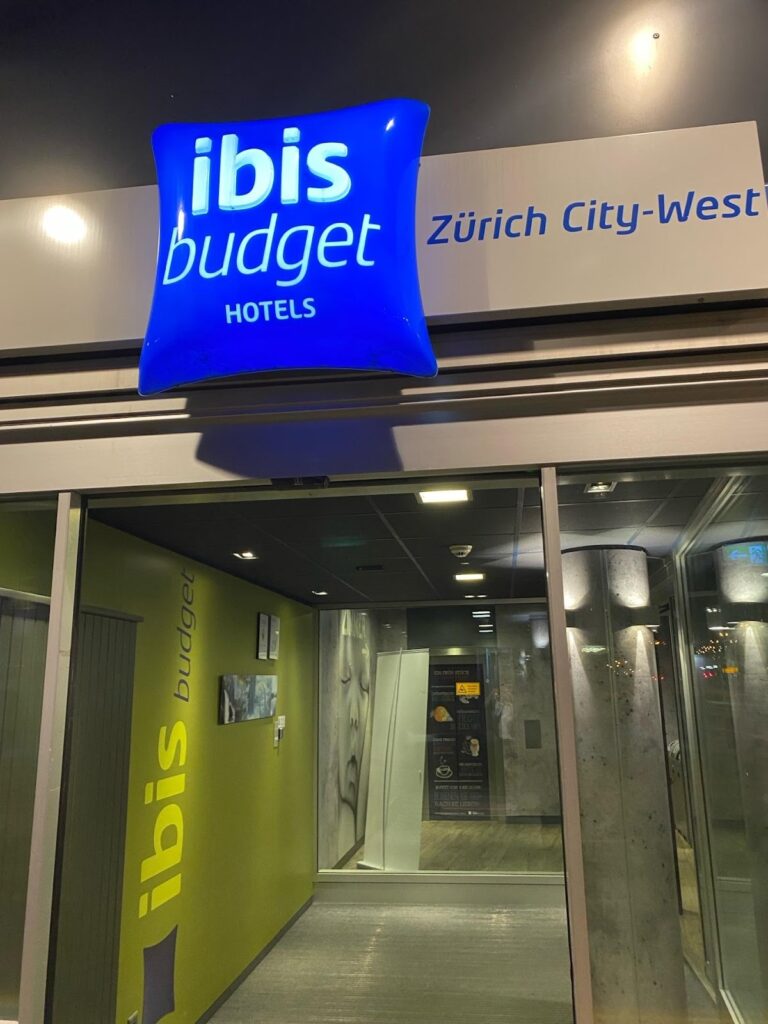
ibis Zurich, Switzerland
The rooms were small, with a compact bathroom and shower, but they were clean and well-organized. Perfect if you’re on a short trip or traveling solo.
What I really enjoyed was the simple breakfast. It felt like a good start to the day. It includes fresh breads, some fruits, jams, honey, corn flakes, cheese, and a cup of strong coffee before heading out to explore Zurich.
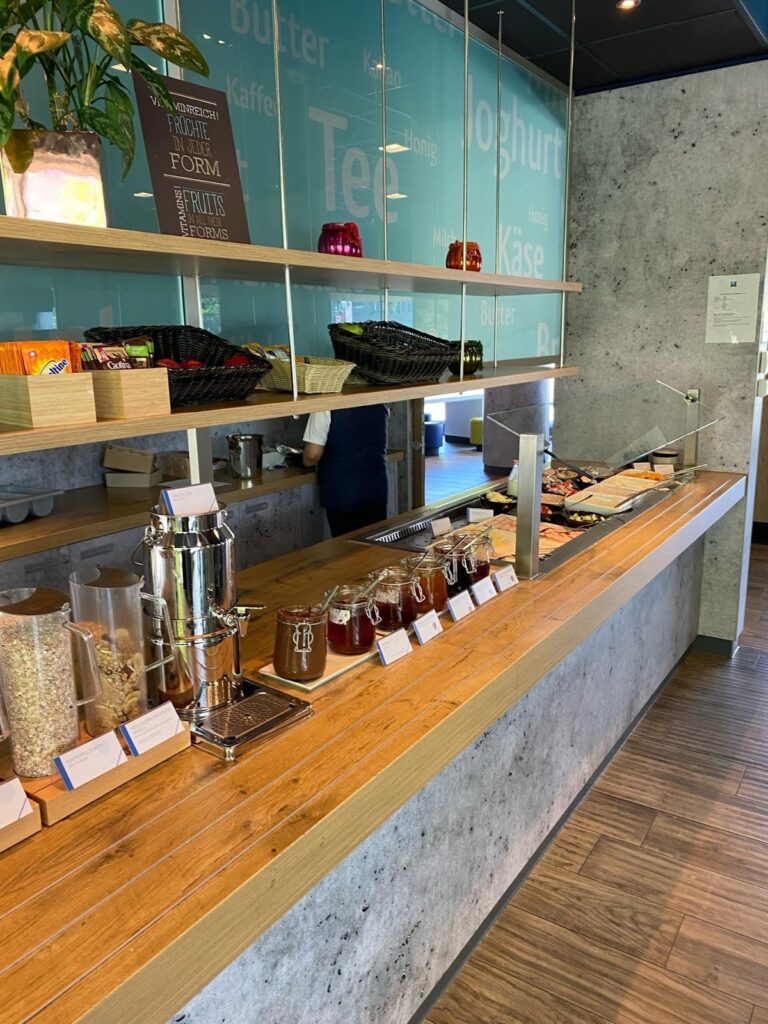
Simple breakfast, at ibis Zurich
One thing that caught my attention, though, was the price of bottled water. A single bottle at the hotel entrance was around 4.5 CHF (about 5 USD), which felt quite expensive for something so basic.
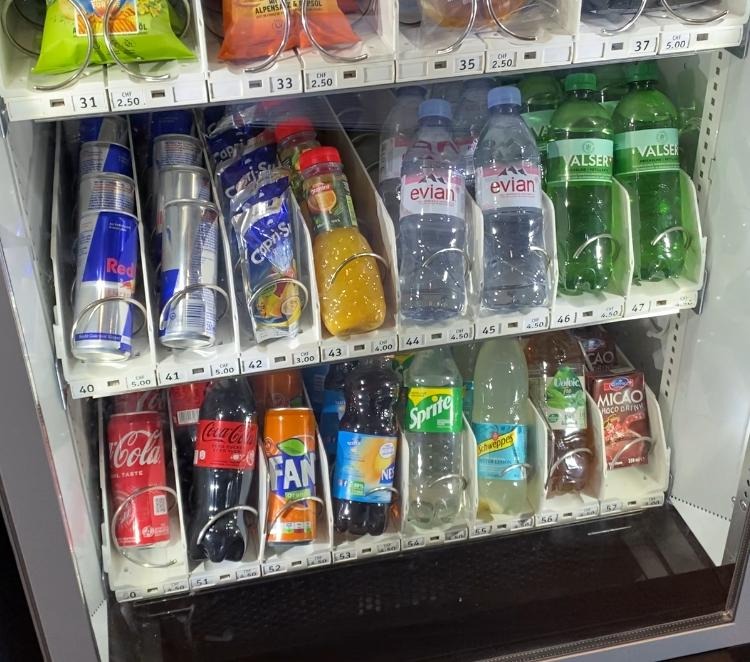
Even simple vending machines in Switzerland feel premium – Ibis Hotel
If you’re visiting Zurich, it’s definitely better to grab your water and snacks from Coop City, one of the main supermarkets in town. It’s much cheaper and you’ll find plenty of choices there.
Eating out is pricey, with restaurant meals averaging 25-60 CHF ($28-67 USD), while even fast-food costs around 15 CHF ($17 USD).
To save money, grab lunch specials for 9-15 CHF ($10-17 USD), shop at supermarkets like Coop, or cook your own meals if your accommodation has a kitchen.
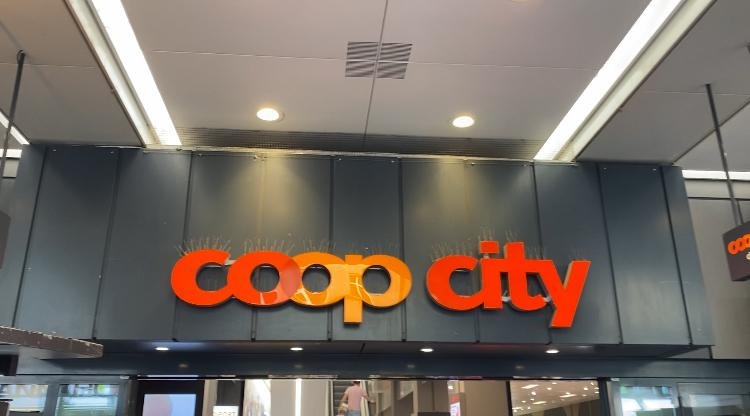
Coop— my go-to spot for quick and affordable snacks
I couldn’t resist stopping for an ice cream on a sunny afternoon in Zurich. It cost around 3.5 CHF (about 3.9 USD), which felt like a small price for a bit of happiness on a warm day.
Snacks and desserts can be pricey in Switzerland, but if you look around, you’ll always find little local spots or supermarket counters where you can enjoy a treat without spending much.
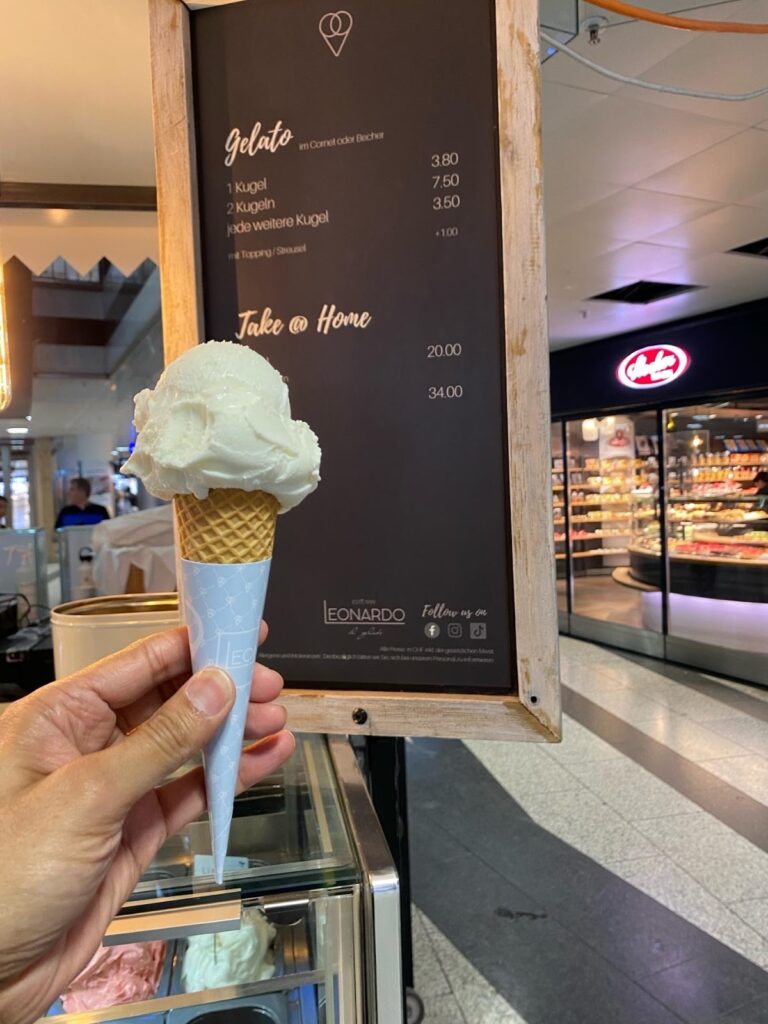
A sweet stop while exploring Zurich
Public transport is also expensive, but there are ways to save.
The Swiss Half Fare Card (120 CHF per month /$135 USD per month) gives 50% off trains, buses, boats, and most mountain lifts, making it a great option for travelers planning unlimited travel across Switzerland.
It’s available online or at most railway stations and also lets children under 16 travel for free with a Swiss Family Card.
By choosing budget-friendly stays, transport passes, and smart meal options, you can experience Switzerland’s beauty without overspending.
Transportation
In Switzerland, the public transport system is efficient, punctual, and well-connected but it is also one of the most expensive in Europe.
All major cities and smaller towns are well linked by train and bus.
From my own experience, I was amazed that Swiss public transport runs so accurately that even a minute’s delay is rare.
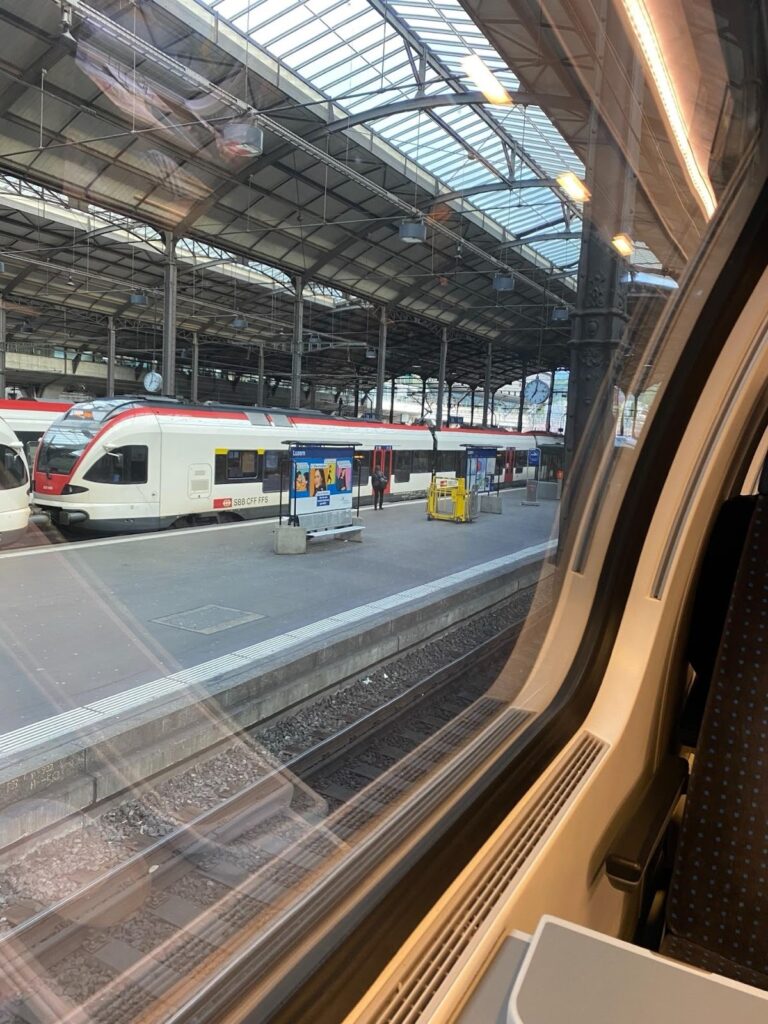
Swiss trains are always on time and the views are never boring
SBB (Swiss Federal Railways) is the main train operator in Switzerland, and train travel here is more popular than in any other European country.
Buses are a cheaper alternative but tend to be slower.
The Swiss Travel Pass is a convenient way to explore Switzerland, as it covers almost all public transport, including trains, buses, boats, and even many high-mountain lifts.
Travelers prefer Switzerland’s efficient train and bus network—find the best routes and tickets here.
Another option is domestic flights, but they are expensive and less practical for short distances.
Hailing a taxi from the street is easy, as cabs are plentiful, but Swiss taxis are the most expensive in Europe. You can also use ride-hailing apps like Talixo, or taxi.eu to book a ride in Switzerland.
Book Your Tickets & Find the Best Deals for Switzerland
🚆 Need to book trains, buses, flights, or ferries? Check out ➡️ Book here
✈️ Compare & Book Flights:
- Find great deals on ➡️ Click here
- Book flights with ➡️ Click here
- Looking for last-minute flights? ➡️ Check KIWI last-minute deals
🏨 Hotels & Travel Packages:
Safety
Switzerland is generally very safe, but petty crime, bag snatching, and pickpocketing are increasing, especially and in busy tourist areas, on public transport, including overnight trains.
During the peak tourist season in summer and around Christmas, crime rates tend to increase. Always keep your valuables secure and stay aware of your surroundings.
Best time to Visit Switzerland
Switzerland’s weather is generally predictable, with hot summers and cold winters, but the mountains can surprise you.
A warm summer day can suddenly turn stormy, and temperatures in the Alps can drop sharply at night, even in August. Snow at high altitudes is not uncommon.
Spring and early summer (April–June) is the perfect time for lower travel costs, sightseeing, and outdoor activities without the summer crowds.
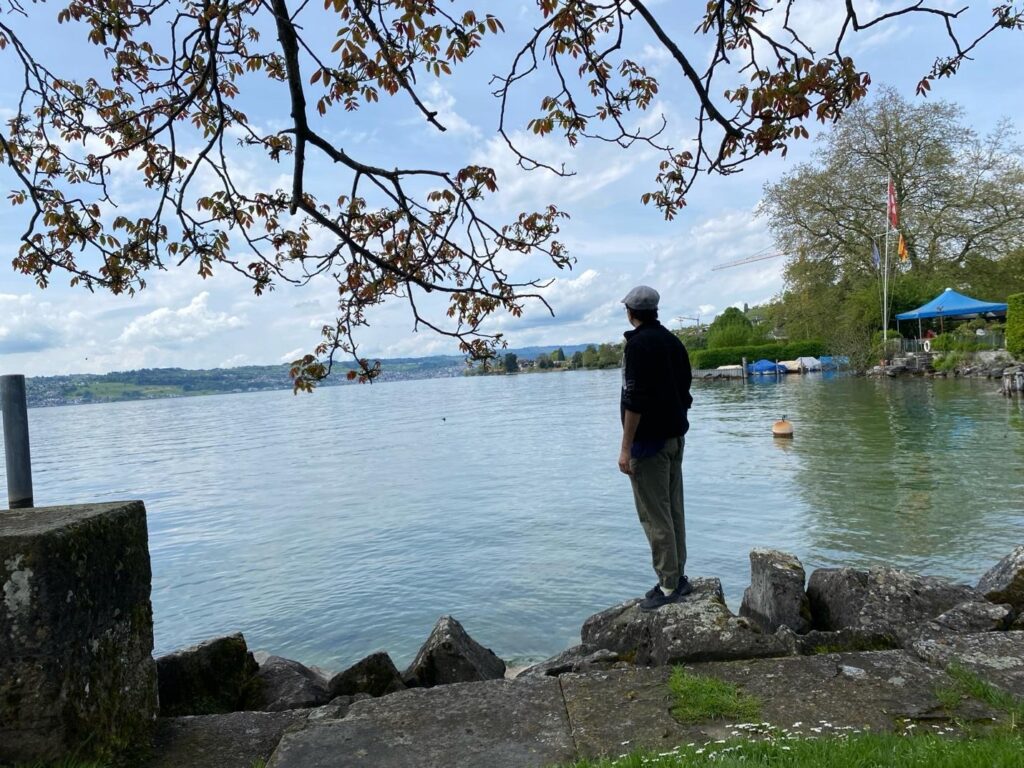
Spring turning into summer — Switzerland in May.
July and August are peak summer months, with warm and sunny days—perfect for hiking, cycling, and lake activities. However, higher altitudes offer cooler temperatures, making the Alps an ideal escape from the heat.
The weather in early fall is still pleasant for outdoor adventures.
October and November are the cheapest months to visit Switzerland. It’s also a great time for food lovers, as many restaurants serve Swiss-style pasta like Spätzli, paired with traditional sides such as chestnuts, sprouts, red cabbage, and berries.
However, winter is ski season, bringing snow-covered peaks, world-class ski resorts, and cozy alpine villages.
🌍 My Switzerland Bucket List
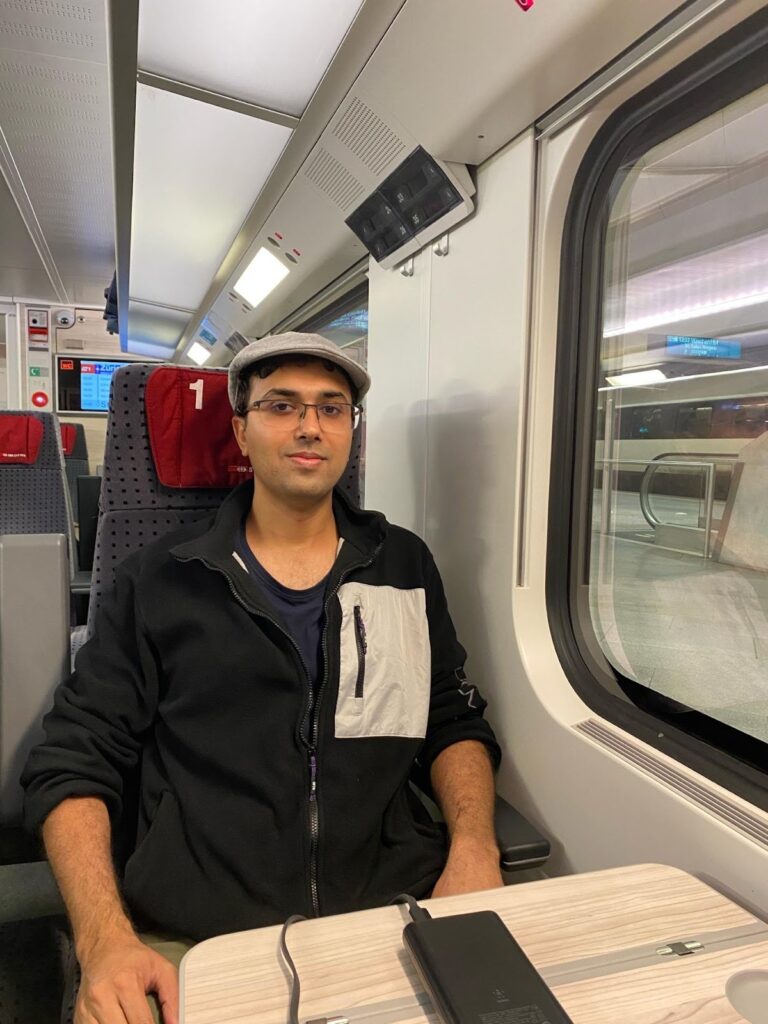
On the EuroCity train from Milan to Zurich
Here are some of my favorite places (and a few that are still on my list) that show just how beautiful Switzerland really is:
Zurich – Walk through the Old Town, browse the shops on Bahnhofstrasse, and catch the sunset from Uetliberg Mountain.
Bern – The old town here feels like a step back in time. Don’t miss the Einstein Museum if you love history.
Zermatt – Probably the most beautiful mountain village I’ve ever seen. Skiing or hiking beneath the Matterhorn feels unreal.
Interlaken – Perfect for adventure lovers. You can go paragliding, skydiving, or just enjoy the views of Lauterbrunnen Valley.
Lucerne – Walk across Chapel Bridge and take the gondola up to Mount Pilatus. It’s as scenic as it sounds.
Rhine Falls – A short trip but so worth it. Seeing Europe’s largest waterfall up close is an amazing experience.
Geneva – Calm and classy, with Lake Geneva, Jet d’Eau, and the Red Cross Museum all worth visiting.
St. Gallen – A peaceful town known for the Abbey Library, one of the oldest and most beautiful in Europe.