
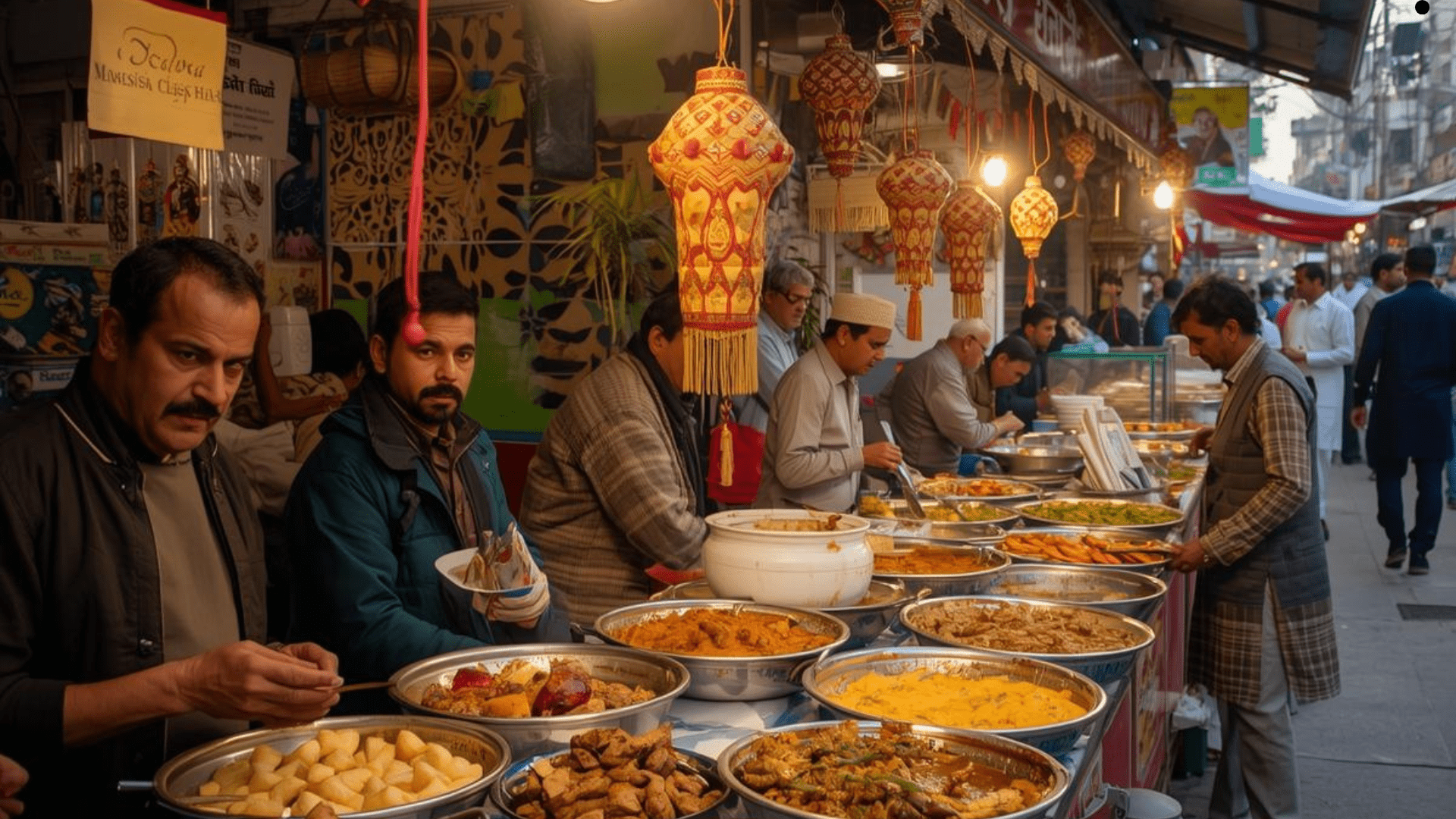
If you’re a food lover with an appetite for bold flavors and unique culinary experiences, then Pakistani street food is a journey you simply cannot miss. Every bite tells a story of cultural richness and culinary craftsmanship—from sizzling kebabs to mouth-watering chaats. Whether you’re wandering through the bustling streets of Karachi or savoring the smoky aromas of Quetta, the street food scene in Pakistan offers an explosion of taste at prices that won’t break the bank.
Ready to dive into a world of spices, textures, and unforgettable flavors? In this guide, we’ll take you on a culinary adventure across Pakistan’s major cities, explore must-try dishes, and provide valuable insights and statistics that underscore the importance of this dynamic food culture.
Karachi: A Melting Pot of Flavors
Karachi, the largest city in Pakistan, is renowned for its diverse and vibrant street food culture. With a history that spans decades, Karachi’s street food vendors serve up authentic flavors that have been perfected over generations. The city is home to an estimated 3,000+ street food vendors, each contributing to a bustling culinary economy that draws locals and tourists alike.
Bismillah Okhai Memon Daal Chawal
- What to Expect: A simple yet flavorful dish of lentils served with rice, often accompanied by tangy pickles and zesty chutneys.
- Price: Approximately 50-100 PKR per serving.
- Where to Find: Near Burns Road, a central hub of Karachi’s street food scene.
Best Samosa Chaat
- What to Expect: Crispy samosas crushed and mixed with chickpeas, yogurt, tamarind sauce, and a blend of aromatic spices.
- Price: Around 50-80 PKR per serving.
- Where to Find: Scattered across the city, with a popular spot near Saddar drawing huge crowds.
Bismillah Kathiawari Cholay
- What to Expect: A spicy and tangy chickpea curry served with fresh naan or roti, bursting with traditional flavors.
- Price: Approximately 80-100 PKR per serving.
- Where to Find: Widely available in Karachi, with many vendors found through a quick search on Google Maps.
Other Affordable Options:
Karachi’s streets are lined with vendors selling a variety of other treats—spicy bun kababs, tangy fruit juices, and refreshing sugarcane juice—all typically priced between 50 and 100 PKR.
Lahore: The Heart of Punjabi Cuisine
Lahore, with its deep-rooted culinary heritage, is famous for its love of hearty, flavorful dishes. The city’s street food is a reflection of its rich history, and it offers both locals and visitors an authentic taste of Punjab. Lahore’s food streets, such as Gawalmandi, are not just dining destinations—they are cultural landmarks.
Sadiq Halwa Puri
- What to Expect: A classic Lahori breakfast featuring sweet, syrupy halwa paired with deep-fried puris and savory chickpeas.
- Price: Around 640 PKR (approximately $5 USD) for a full meal.
- Where to Find: One of Lahore’s culinary icons, Sadiq Halwa Puri remains a must-visit.
Gawalmandi Food Street
- What to Expect: A bustling area offering an array of dishes—from paaye (cow trotters) and haleem (slow-cooked meat stew) to samosas, jalebi (syrupy fried dessert), and lassi (refreshing yogurt drink).
- Price: Typically between 200-500 PKR per person, depending on your appetite.
- Where to Find: Nestled in the heart of Lahore, this food street is famed for its lively atmosphere and diverse offerings.
Phajjay Ke Paaye
- What to Expect: A rich, savory dish featuring slow-cooked cow trotters seasoned with a mix of traditional spices.
- Price: Around 400-600 PKR per serving.
- Where to Find: The iconic Phajja Siri Paaye near Taxali Gate, where locals have been enjoying this dish for generations.
Islamabad’s modern vibe might surprise you with its emerging street food scene, while nearby Rawalpindi offers a more traditional and time-honored culinary experience. Together, these twin cities provide a fascinating juxtaposition of old and new in Pakistan’s street food narrative.
Melody Market
- What to Expect: A smorgasbord of local snacks including gol gappay (crispy, hollow puris filled with tangy water) and assorted chaat items.
- Price: Around 50-150 PKR per serving.
- Where to Find: Situated in Islamabad, Melody Market is a favorite among locals and visitors alike.
Dahi Bhalla
- What to Expect: Soft, spongy lentil dumplings soaked in cool, creamy yogurt and topped with tangy tamarind chutney and a sprinkle of spices.
- Price: Approximately 100-150 PKR per serving.
- Where to Find: Available at various stalls in both Islamabad and Rawalpindi, a testament to its widespread popularity.
Peshawar: Bold Flavors of Pashto Cuisine
Peshawar is celebrated for its robust and hearty Pashto cuisine, which stands out for its generous use of spices and its emphasis on meat dishes. The street food here is a true reflection of the city’s cultural heritage, offering flavors that are as bold as they are unforgettable.
Chapli Kebab
- What to Expect: Large, flat kebabs made from minced beef infused with a blend of spices and herbs, grilled to perfection over open flames.
- Price: Typically 150-250 PKR each, depending on the vendor and size.
- Where to Find: Scattered throughout the city, with numerous stalls proudly serving this signature dish.
Kabuli Pulao
- What to Expect: Fragrant rice cooked with tender meat, raisins, and carrots, creating a harmonious blend of sweet and savory flavors.
- Price: Around 200-300 PKR per plate.
- Where to Find: A staple dish in Peshawar’s historic Qissa Khwani Bazaar, attracting both locals and culinary tourists.
Quetta: Unique Balochi Delicacies
Quetta, the capital of Balochistan, offers a distinctive street food experience steeped in Balochi traditions. The city’s food is known for its unique spice combinations, featuring ingredients like turmeric, saffron, and garlic that set its dishes apart.
Sajji (Roasted Lamb/Mutton)
- What to Expect: A whole lamb or chicken, marinated simply in salt and spices, then slow-roasted over an open flame to achieve a smoky, succulent flavor.
- Price: Generally 500-800 PKR per kilogram, with pricing varying based on the cut and quality of meat.
- Where to Find: Popular Sajji stalls are a common sight along the streets of Quetta, where authenticity is served in every bite.
Kaak (Stone-Baked Bread)
- What to Expect: A uniquely baked bread prepared on heated stones, often enjoyed alongside rich meat dishes like Sajji.
- Price: Around 50-100 PKR per piece.
- Where to Find: Frequently available near Sajji vendors throughout Quetta, offering a perfect accompaniment to any meal.
Stats and Insights: The Growing Influence of Street Food in Pakistan
The street food culture in Pakistan isn’t just a culinary phenomenon—it’s a vital part of the nation’s socio-economic fabric. Here are some compelling statistics and insights that highlight its significance:
- Economic Impact: According to various industry estimates, street food vendors in Pakistan generate revenues exceeding PKR 10 billion annually. This figure underscores the role of street food not only as a cultural staple but also as a significant contributor to local economies.
- Tourism Boost: Recent trends indicate that culinary tourism is on the rise in Pakistan. A survey by a leading travel magazine revealed that 68% of international tourists consider street food an essential part of their travel experience in the country. Additionally, domestic tourism has seen a 15-20% year-on-year increase, much of which is attributed to the growing interest in local food culture.
- Vendor Demographics: In cities like Karachi, it is estimated that over 3,000 street food vendors serve millions of meals each year. In Lahore, historic areas such as Gawalmandi attract thousands of visitors daily, with vendors reporting up to a 25% increase in sales during festival seasons and weekends.
- Consumer Preferences: A study conducted by the Pakistan Bureau of Statistics found that nearly 75% of street food consumers in Lahore are locals, while the remaining 25% are tourists seeking authentic culinary adventures. This mix of locals and visitors helps create a dynamic, ever-evolving food scene that continually adapts to changing tastes and trends.
- Culinary Festivals: Major cities have started to host street food festivals that celebrate local cuisine. For instance, the Karachi Street Food Festival, held annually, attracts thousands of food enthusiasts and has been credited with boosting vendor incomes by up to 20% during the event.
These statistics not only demonstrate the economic vitality of Pakistani street food but also highlight its cultural importance as a bridge between traditional culinary practices and modern consumer trends.
Tips for Enjoying Pakistani Street Food Safely
While exploring Pakistan’s vibrant street food scene is an absolute treat, ensuring your safety is paramount. Here are some practical tips to help you enjoy your culinary journey with peace of mind:
- Choose Busy Stalls: High customer turnover usually means the food is freshly prepared and has a lower risk of contamination.
- Observe Cleanliness: Take a moment to check how the vendor handles and prepares the food. A clean stall is often a sign of safe practices.
- Avoid Raw or Undercooked Items: Stick with well-cooked dishes, especially if you’re not accustomed to the local spices.
- Stay Hydrated: Always choose bottled or filtered water over tap water, and avoid ice unless you’re sure of its source.
- Start Slow: If you’re new to spicy food, pace yourself. Sample small portions initially to gauge your tolerance for local flavors.
Conclusion
Pakistani street food is much more than just a meal—it’s an immersive cultural experience that reflects the heart and soul of the country. From Karachi’s bustling streets laden with diverse flavors to Lahore’s time-honored food havens and Peshawar’s bold, spice-laden dishes, every city offers its own unique culinary signature. Quetta’s distinctive Balochi flavors further add to the tapestry of tastes that define Pakistani street food.
This dynamic food culture has not only captured the hearts of locals but has also emerged as a major attraction for tourists. With growing tourism and increasing domestic demand, street food vendors are flourishing, contributing significantly to the local economy. The rising trend of culinary festivals and the impressive statistics behind vendor revenues and tourist preferences highlight a promising future for Pakistan’s street food scene.
So whether you’re a seasoned traveler or a curious foodie, exploring Pakistan through its street food is a journey that promises adventure, flavor, and a deeper understanding of the country’s cultural heritage. Grab a plate, immerse yourself in the local hustle, and savor the delicious diversity of Pakistani street food!
FAQs: Pakistani Street Food Guide
1. Is Pakistani street food safe for foreigners to eat?
Pakistani street food is generally safe if you follow a few precautions. Choose busy food stalls with high turnover, observe cleanliness, and avoid raw or undercooked items. Always opt for bottled or filtered water to reduce the risk of waterborne illnesses.
2. What are the must-try street foods in Pakistan?
Some iconic dishes include:
- Karachi: Bismillah Okhai Memon Daal Chawal, Samosa Chaat
- Lahore: Sadiq Halwa Puri, Paaye from Gawalmandi Food Street
- Peshawar: Chapli Kebab, Kabuli Pulao
- Quetta: Sajji (roasted lamb/mutton), Kaak (stone-baked bread)
3. What is the average cost of street food in Pakistan?
Pakistani street food is generally safe if you follow a few precautions. Choose busy food stalls with high turnover, observe cleanliness, and avoid raw or undercooked items. Always opt for bottled or filtered water to reduce the risk of waterborne illnesses.
4. Are vegetarian options available in Pakistani street food?
Absolutely! Popular vegetarian choices include:
- Daal Chawal (lentils with rice)
- Chaat (spiced chickpea salad)
- Gol Gappay (crispy shells filled with tangy water)
- Vegetable Samosas
5. What is the best time to explore Pakistani street food?
Absolutely! Popular vegetarian choices include:
- Daal Chawal (lentils with rice)
- Chaat (spiced chickpea salad)
- Gol Gappay (crispy shells filled with tangy water)
- Vegetable Samosas